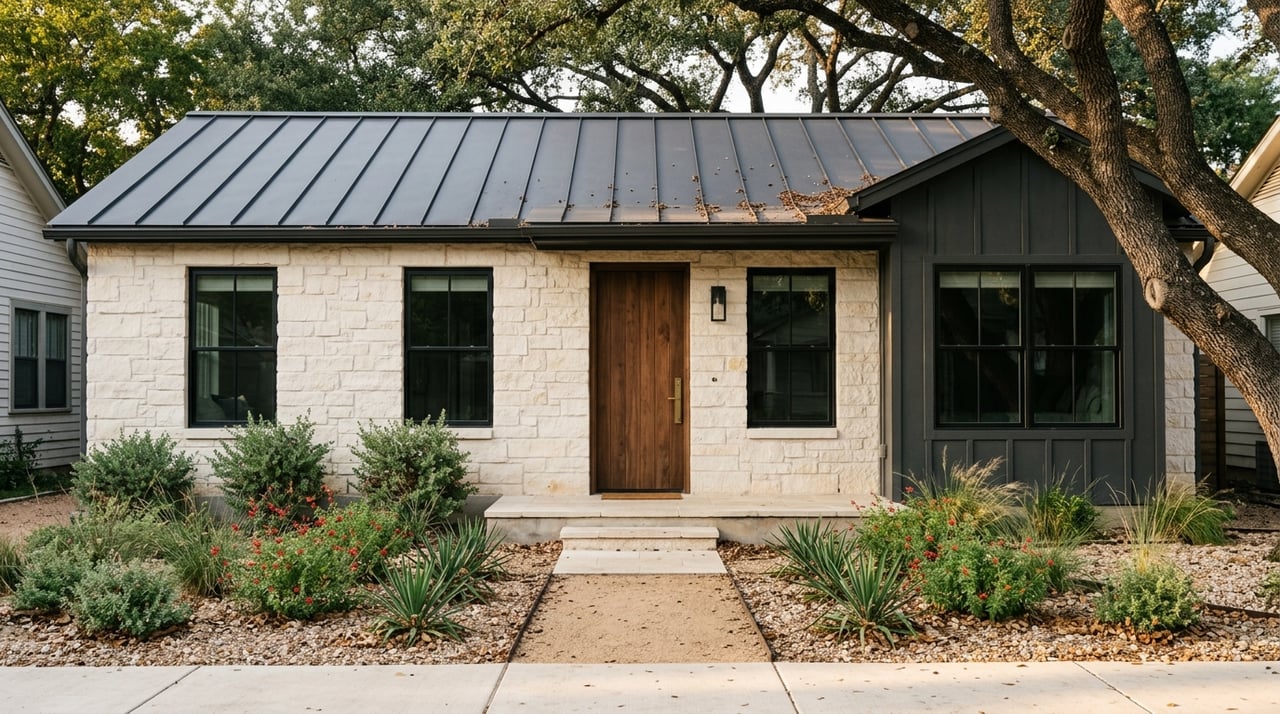
If you are torn between a charming cottage near Main Street and a few peaceful acres outside town, you are asking one of the most common Fredericksburg real estate questions. Both options can fit the Hill Country lifestyle, but they work very differently once you factor in daily routines, utilities, rental rules, and long-term plans. This guide will help you compare the real tradeoffs so you can choose a property that fits how you want to live, use, and steward it. Let’s dive in.
Start With the Boundary
Before you focus on square footage, porches, or views, start with one simple question: Where is the property located in relation to Fredericksburg city limits? In this market, the line between in-town, ETJ, and outside both can shape your ownership experience as much as the home itself.
That boundary affects city services, utility pricing, historic review, short-term rental rules, and hotel occupancy tax obligations. In other words, the smartest comparison is not just cottage versus acreage. It is also inside town versus just outside town.
Why In-Town Living Appeals to Many Buyers
Fredericksburg is still a relatively small city, with an estimated population of 11,893 as of July 1, 2025. The city’s mean travel time to work is 14.1 minutes, which helps explain why living in town can feel especially convenient for daily errands, appointments, and quick trips around town.
The city’s published maps also show a more service-dense pattern inside the city. Sidewalk planning, garbage routes, zoning districts, and other city systems are concentrated within that compact footprint, which can make in-town life feel simpler and more connected to day-to-day services.
In-Town Convenience and Errands
If you want a home base that keeps you close to downtown businesses, city services, and shorter drive patterns, an in-town cottage or townhome may be the better fit. For many buyers, that means less time spent managing land and more time enjoying Fredericksburg itself.
This can be especially appealing if you are buying a primary home, a second home, or a lock-and-leave property. In-town ownership often supports a more compact routine, with fewer moving parts outside the house itself.
In-Town Maintenance Is Different
A cottage or townhome in town does not necessarily mean less responsibility. It usually means a different kind of responsibility. Instead of focusing on fences, acreage mowing, wells, and septic systems, you are more likely to focus on the building, exterior upkeep, and city-related requirements.
If a property is in Fredericksburg’s historic district or is a landmark, exterior changes require an approved Certificate of Appropriateness. The city’s Historic District Design Guidelines and Standards cover items such as roofs, porches, walls, doors, and windows, so updates may involve both contractor planning and city approval.
Utilities Can Be More Straightforward
Inside the city, water and wastewater service are part of a more established municipal system. Fredericksburg’s Water and Wastewater Department serves the city through 9 groundwater wells, about 160 miles of water mains, and about 93 miles of sanitary sewer mains. City customers can also monitor usage and receive leak alerts.
That setup can feel more predictable than rural utility management. It is also worth noting that if a property is outside city limits but still connected to city water or sewer, the city says those rates are double the inside-city rates, including minimum charges.
When Acreage Outside Town Makes More Sense
For some buyers, the answer is simple: you want room to spread out. Small acreage outside Fredericksburg can offer more privacy, more elbow room, and a stronger sense of separation from the daily rhythm of town.
That extra space can be a major lifestyle benefit, whether you are looking for quiet, room for outbuildings, or a longer-term hold with legacy value in mind. But acreage also comes with more owner responsibility, especially when it comes to water, wastewater, drainage, and land care.
Acreage Means More Property Decisions
Outside the city, ownership often shifts from a city-service model to a property-management model. That means your decisions may involve well registration, septic or OSSF considerations, drainage, access, and ongoing land maintenance.
Gillespie County requires a Development Permit Determination before development. County materials also note that additional permits may be needed for subdivision, manufactured-home work, construction in county right-of-way, and septic installation.
Buildability Matters on Rural Land
Acreage can look simple on paper, but future plans may involve more rules than buyers expect. If you are thinking about building, expanding, or holding land for future division, county development standards matter early in the process.
For example, Gillespie County’s current subdivision guidebook says subdivisions served by individual water and OSSF have a 6-acre minimum lot size. It also states that maximum density is tied to parent tract acreage divided by 8, which can affect plans to divide land later or pass it along over time.
Water Is a Bigger Conversation
Water deserves special attention on rural property in Gillespie County. The Hill Country Underground Water Conservation District says all wells in the county must be registered, and certain uses such as municipal, commercial, irrigation, or public water supply require permits.
The district also says even domestic exempt wells come with limits and conditions. For buyers comparing town living to acreage, this is one of the clearest real-world differences. In town, utilities may feel more built-in. On acreage, utility planning becomes part of ownership itself.
Short-Term Rental Rules Can Change the Answer
If rental income is part of your decision, location becomes even more important. Fredericksburg has a clearer and more structured short-term rental framework inside city limits, while property outside the city may offer a different path.
This is one area where a property’s boundary can matter just as much as its style or finishes. A beautiful cottage and a peaceful acreage tract may perform very differently depending on whether they sit in the city, the ETJ, or beyond both.
In-Town Short-Term Rental Considerations
Within Fredericksburg city limits, any dwelling used for lodging under 30 days requires a Short-Term Rental Permit. The city also requires annual inspections, and eligibility depends on zoning.
The city’s FAQ notes that owner-occupied STR categories are tied to a principal residence or homestead exemption. It also states that the unoccupied STR definition includes townhouses, which matters if you are comparing a townhome to a detached cottage.
Acreage and ETJ Rental Flexibility
For property in the Fredericksburg ETJ, the city says a city STR permit is not required. That can make acreage just outside town attractive for buyers who want more flexibility in how they use the property.
However, hotel occupancy tax still matters. The city says all lodging providers in Fredericksburg and its ETJ must collect and remit HOT, while properties outside both the city limits and ETJ remit HOT to Gillespie County at 7%.
Compare the Lifestyle Tradeoffs
At a high level, in-town living usually trades privacy for convenience. Acreage usually trades convenience for space. Neither is better across the board. The right choice depends on how you want to spend your time and what responsibilities you want to take on.
If you want easier access to town, more concentrated city services, and a home that feels connected to Fredericksburg’s walkable core, an in-town property may fit best. If you want land, breathing room, and a property that may serve broader lifestyle or long-range goals, acreage may be the stronger match.
| Option | Often Appeals To Buyers Who Want | Main Watchouts |
|---|---|---|
| In-town cottage or townhome | Shorter trip patterns, closer city services, easier everyday convenience | Historic review, zoning limits, STR permitting, less privacy |
| Small acreage outside town | More space, privacy, flexibility, and land-focused ownership | Well and septic oversight, development rules, more infrastructure responsibility |
Questions to Ask Before You Choose
A clear decision usually starts with clear questions. Before you make an offer, it helps to think beyond the listing photos and ask how the property will function in real life.
Consider these practical questions:
- Do you want a home that supports a simple in-town routine or a land-based lifestyle?
- How much maintenance do you want to handle yourself?
- Will you use the property as a primary home, second home, or possible short-term rental?
- Is future building, expansion, or division part of your long-term plan?
- Is the property inside city limits, in the ETJ, or outside both?
- Are utilities city-connected, well-based, septic-based, or some combination?
These are the kinds of details that can shape satisfaction long after closing day. In the Hill Country, the best property is not always the one with the most charm or the biggest view. It is the one that truly fits your goals.
The Best Fit Depends on How You Want to Live
A cottage near town and a few acres outside Fredericksburg can both be excellent choices. The difference is that they ask different things from you as an owner. One often offers simpler access and more city structure. The other often offers more freedom, more land, and more hands-on responsibility.
That is why local guidance matters. When you are weighing lifestyle, use, rules, and long-term value at the same time, it helps to work with a team that understands both refined residential property and Hill Country land. If you want help comparing in-town options and acreage near Fredericksburg, reach out to Reata Ranch Realty.
FAQs
What is the biggest difference between in-town property and acreage near Fredericksburg?
- The biggest difference is often the property boundary. Whether a home is inside Fredericksburg city limits, in the ETJ, or outside both can affect utilities, short-term rental rules, taxes, and development requirements.
Do Fredericksburg short-term rental rules apply to townhomes?
- Yes. The city’s FAQ says the unoccupied short-term rental definition includes townhouses, and any dwelling used for lodging under 30 days within city limits requires a permit, subject to zoning and inspection rules.
What should buyers know about utilities on acreage in Gillespie County?
- Acreage ownership may involve well registration, septic or OSSF requirements, drainage considerations, and more direct land and utility management than a typical in-town property.
Can land outside Fredericksburg still be subject to local lodging taxes?
- Yes. The city says lodging providers in Fredericksburg and its ETJ must collect and remit hotel occupancy tax, while properties outside both the city and ETJ remit HOT to Gillespie County at 7%.
Why do historic district rules matter for in-town Fredericksburg homes?
- If a property is in the historic district or is a landmark, exterior changes require city approval through a Certificate of Appropriateness, which can affect renovation timing and planning.
Is acreage outside Fredericksburg easier to develop than an in-town property?
- Not always. Gillespie County requires a Development Permit Determination before development, and additional permits may apply depending on subdivision plans, septic systems, and other site work.