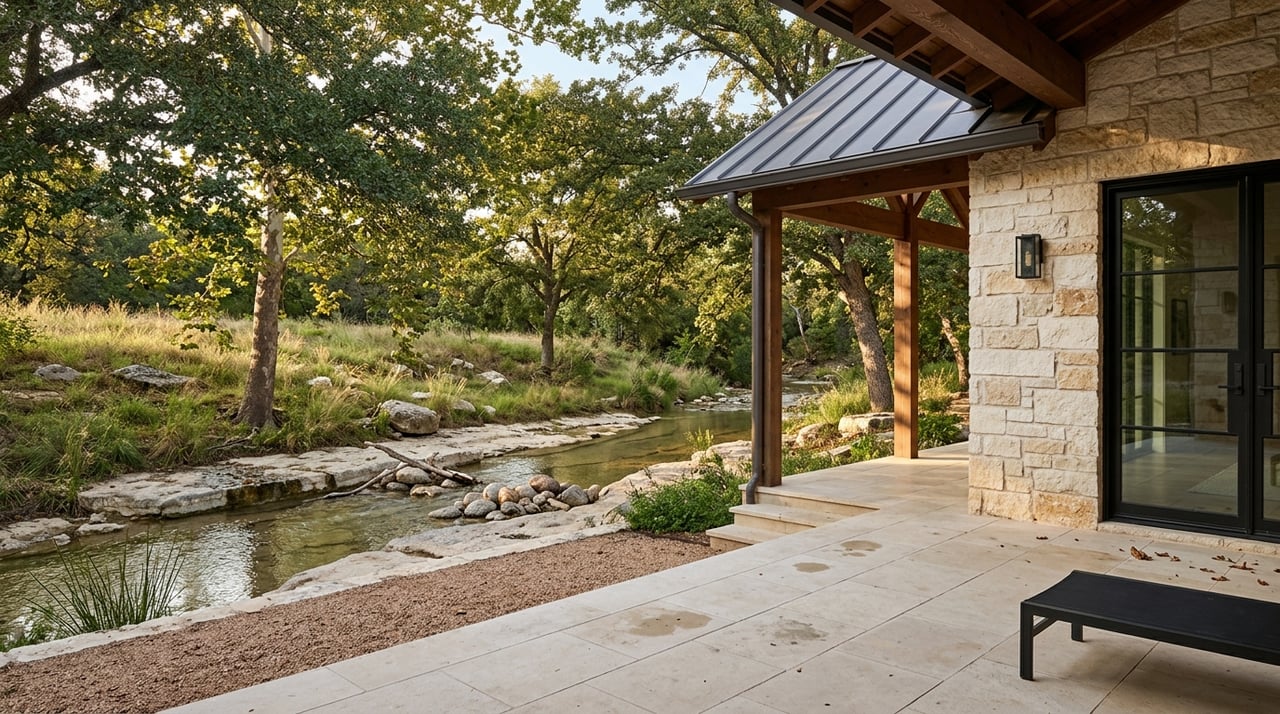
If you have ever wished you could choose between water views, small-town charm, and wide-open land without leaving the same market, Llano County deserves a closer look. This part of the Texas Hill Country brings together the Llano River, nearby Highland Lakes, historic downtown Llano, and ranch country in a way that feels both relaxed and practical. Whether you are looking for a full-time home, a weekend place, or acreage with long-term value, understanding how these pieces fit together can help you buy with more confidence. Let’s dive in.
Why Llano County Stands Out
Llano County covers 934.06 square miles of land and has an estimated 2025 population of 23,353. With about 22.7 people per square mile, it offers a low-density setting that feels notably more open than many growing Hill Country markets.
That rural character shows up in the housing mix and lifestyle too. Census QuickFacts reports a 76.5% owner-occupied housing rate and a 2020 to 2024 median owner-occupied home value of $356,500. In practical terms, that points to a market shaped by homeowners, landowners, and buyers who value space, recreation, and long-term use.
Llano County also describes itself through scenic waterways, granite outcrops, and ranching traditions. Agriculture, tourism, and small businesses all play a role in the local economy, which helps explain why the market includes everything from in-town homes to ranch properties and recreation-oriented land.
Llano River Living
The Llano River is central to everyday life in the county. Texas Parks and Wildlife says the river is formed by the North and South Llano rivers, then flows east for about 100 miles through Kimble, Mason, and Llano counties before joining the Colorado River and helping form Lake LBJ.
The river is spring-fed and scenic, which makes it a major draw for buyers who want a connection to the outdoors. At the same time, TPWD notes that the Llano-to-Lake-LBJ stretch can be shallow at normal flow because the riverbed is wide and broken by granite and gneiss outcrops. That matters if you are picturing a certain kind of boating or waterfront use.
Within the city of Llano, water access is still part of daily living. The city’s water conservation materials note that its raw water supply comes from the Llano River, showing how closely the river is tied to the community itself.
In-Town Water Access in Llano
Two public parks help explain why living in town can still feel connected to the water. Badu City Park sits on Lake Llano near historic downtown and offers fishing, non-motorized boating, a waterfront beach, and RV hookups.
Robinson City Park is on the banks of the Llano River about two miles west of downtown. It offers fishing, swimming, picnic space, and riverfront access, giving residents another easy way to enjoy the river without needing private frontage.
For many buyers, that is a meaningful advantage. You can enjoy the feel of a traditional small Texas town while still being close to the water for recreation and downtime.
Lake Living Near Llano
When people think about waterfront options in this part of the Hill Country, three names usually matter most for Llano County: Lake Buchanan, Inks Lake, and Lake LBJ. According to LCRA, Lake Buchanan spans 22,452 acres, Inks Lake covers 798 acres, and Lake LBJ covers 6,432 acres.
Inks Lake and Lake LBJ both reach into Burnet and Llano counties, which expands the range of property types and access points you may consider while staying connected to the Llano County lifestyle. TPWD also notes that Kingsland Lions Park sits on the Llano River arm on the north side of Lake LBJ, which gives more context for how river and lake living overlap in this market.
What Buyers Should Know About Highland Lakes
A common assumption is that lakefront automatically means steady water levels and simple dock rights. In the Highland Lakes system, the reality is more nuanced.
LCRA says none of the Highland Lakes are constant-level lakes. The lakes are designed to fluctuate, and even the smaller pass-through lakes can vary within a range or be lowered for dock and shoreline repairs.
That means waterfront value is about more than just the shoreline line on a listing. You need to think about usability over time, how the property relates to the water during changing lake levels, and what kind of improvements may actually be possible.
Dock and Shoreline Rules Matter
LCRA also says most shoreline around the Highland Lakes is privately owned. Just as important, owning lakefront property does not automatically mean you can build a dock.
Before making assumptions, submerged-land ownership needs to be verified, and docks must meet LCRA standards. For buyers comparing waterfront opportunities, this is one of the most important early due diligence items.
Public Water Access Is Limited
If you want water access but do not need private frontage, public options still matter. LCRA says it owns 26 parks and recreation areas totaling almost 10,000 acres around the Highland Lakes.
That helps explain why designated parks and access sites are such a big part of the local lifestyle. In this market, your enjoyment of the water may come from a mix of nearby public access, in-town parks, and regional recreation areas, not just from owning directly on the shoreline.
Ranch and Acreage Appeal
Llano County’s ranching identity is not just branding. It is a core part of how the land is used and why many buyers are drawn here in the first place.
The county highlights ranching traditions, and TPWD describes parts of the Llano corridor as broad riverbeds opening into Hill Country ranchland with granite, gneiss, and shallow flows. That landscape creates the kind of setting many acreage buyers want: privacy, views, usable ground, and a sense of separation from busier corridors.
For some buyers, a ranch or acreage tract is about recreation and weekend use. For others, it is about a future homesite, a family legacy property, or a place that balances enjoyment with long-term stewardship.
What You Are Often Buying With Land
In Llano County, the value of rural property often comes from qualities that are hard to replicate elsewhere, such as:
- Privacy and elbow room
- Scenic views shaped by granite outcrops and Hill Country terrain
- River or lake proximity
- Flexible use potential for a home, retreat, or recreation
- A stronger sense of connection to the land
That is why acreage shopping here is usually about more than square footage alone. The feel, function, and future potential of the property all matter.
Planning Ahead for Rural Property
If you are buying a rural lot or acreage tract, early research can save time and frustration. Llano County Development Services says it handles development, floodplain, septic, plats and replats.
The county also notes that vacant lots do not receive 9-1-1 addresses until there is a structure or development project. Separate review by other local, county, state, or federal offices may also be required before a permit is issued.
For buyers, this means a beautiful tract is only part of the story. If you plan to build, divide, improve, or change the property, you want a clear understanding of timing and feasibility before you get too far down the road.
Watershed Review Can Affect Some Parcels
LCRA adds another layer that matters in certain areas. A portion of Llano County falls under the Highland Lakes Watershed Ordinance, so land-disturbing work in some lake-adjacent areas may require LCRA authorization.
That does not mean the property is off limits for your plans. It simply means some parcels may need more careful review if your goals include site work, shoreline-area improvements, or development near the lakes.
Small-Town Living in Llano
Not every buyer in Llano County wants a large ranch or direct waterfront. For many people, the appeal is living in or near town while staying connected to the character of the Hill Country.
Llano’s Main Street program describes the Historic Business District as the heart of the community, with a focus on economic development and historic preservation. City materials also describe efforts to strengthen existing businesses, attract new businesses, and improve the district’s appearance and retail mix.
That points to a downtown environment where older buildings, local business activity, and civic identity all matter. If you are considering a home near the core or even a small commercial property, that context can shape how you think about walkability, convenience, and long-term appeal.
Why the Overlap Matters
What makes Llano County distinctive is the overlap. You can have a home base near a historic downtown, regular access to parks on the river, day trips to nearby lakes, and ranch country just beyond town.
Few markets combine those elements so naturally. That mix is a big reason buyers looking for a quieter setting still find plenty to like here.
How to Think About Your Best Fit
The right property in Llano County depends on how you plan to use it. A buyer focused on convenience and community may lean toward in-town living near parks and downtown amenities.
A waterfront buyer may prioritize lake or river proximity, while paying close attention to water-level patterns, access, and dock rules. A land buyer may focus more on views, privacy, buildability, and the practical side of development review.
A helpful way to narrow your search is to ask a few clear questions early:
- Do you want direct waterfront, nearby access, or just a water-oriented lifestyle?
- Is your priority in-town convenience, a second-home feel, or full privacy?
- Will you want to build or improve the property soon?
- Are you looking for a home, a retreat, acreage, or a legacy property to hold long term?
Those answers can quickly point you toward the right part of the market.
Llano County works well for buyers who want choices without losing the Hill Country feel. If you are exploring river property, lake-area opportunities, in-town homes, or ranch land, working with a team that understands both lifestyle and land use can make the process much smoother. When you are ready to talk through your goals, connect with Reata Ranch Realty.
FAQs
What is Llano County known for in real estate?
- Llano County is known for a mix of river recreation, nearby Highland Lakes access, historic small-town living, and ranch and acreage properties shaped by the Texas Hill Country landscape.
What should buyers know about Llano River property in Llano County?
- The Llano River is spring-fed and scenic, but some stretches can be shallow at normal flow because the riverbed is wide and broken by granite and gneiss outcrops.
What should buyers know about lakefront property near Llano County?
- The Highland Lakes are designed to fluctuate, most shoreline is privately owned, and owning lakefront property does not automatically allow you to build a dock.
What public water access is available near Llano, Texas?
- In Llano, Badu City Park and Robinson City Park offer water access, and LCRA also maintains parks and recreation areas around the Highland Lakes.
What approvals may matter for rural land in Llano County?
- Depending on the property and your plans, floodplain review, septic, plats or replats, and possible watershed-related authorization may affect timing and feasibility.
Is Llano County a good fit for buyers who want land and town access?
- Llano County can be a strong fit if you want a quieter, low-density setting with access to water, downtown Llano, and ranch country in the same market.