By Reata Ranch Realty
The Texas Hill Country has some of the most sought-after hunting land in the country, and buyers who have spent time on well-managed ranches in Gillespie, Llano, Kerr, and Mason counties already know why. The limestone and granite hills, spring-fed rivers, oak-covered ridges, and cedar breaks create an ideal habitat for producing trophy-class whitetail, and the terrain does a lot of the work before you ever build a blind. If you're serious about developing a private hunting lodge, the land you start with determines almost everything that follows.
Key Takeaways
- Gillespie, Llano, Kerr, and Mason counties are among the top Hill Country areas for whitetail and exotic game properties
- Terrain features like oak flats, creek bottoms, and elevation changes concentrate deer movement and drive lodge site selection
- Low-fence and high-fence operations have different land requirements and buyer profiles
- A land specialist should evaluate habitat quality, water, and access before you commit to a site
Why the Hill Country Produces Trophy-Class Game
Location within the Edwards Plateau matters more than most buyers realize at first. The Hill Country stretches roughly from Austin to San Antonio and is home to one of the highest deer densities in the United States, but game quality isn't uniform across that range. Properties in the core counties close to Fredericksburg consistently outperform outlying areas because of the combination of terrain diversity, native browse, and the density of well-managed neighboring ranches that keeps the gene pool strong.
What Makes Gillespie County Land Perform for Hunters
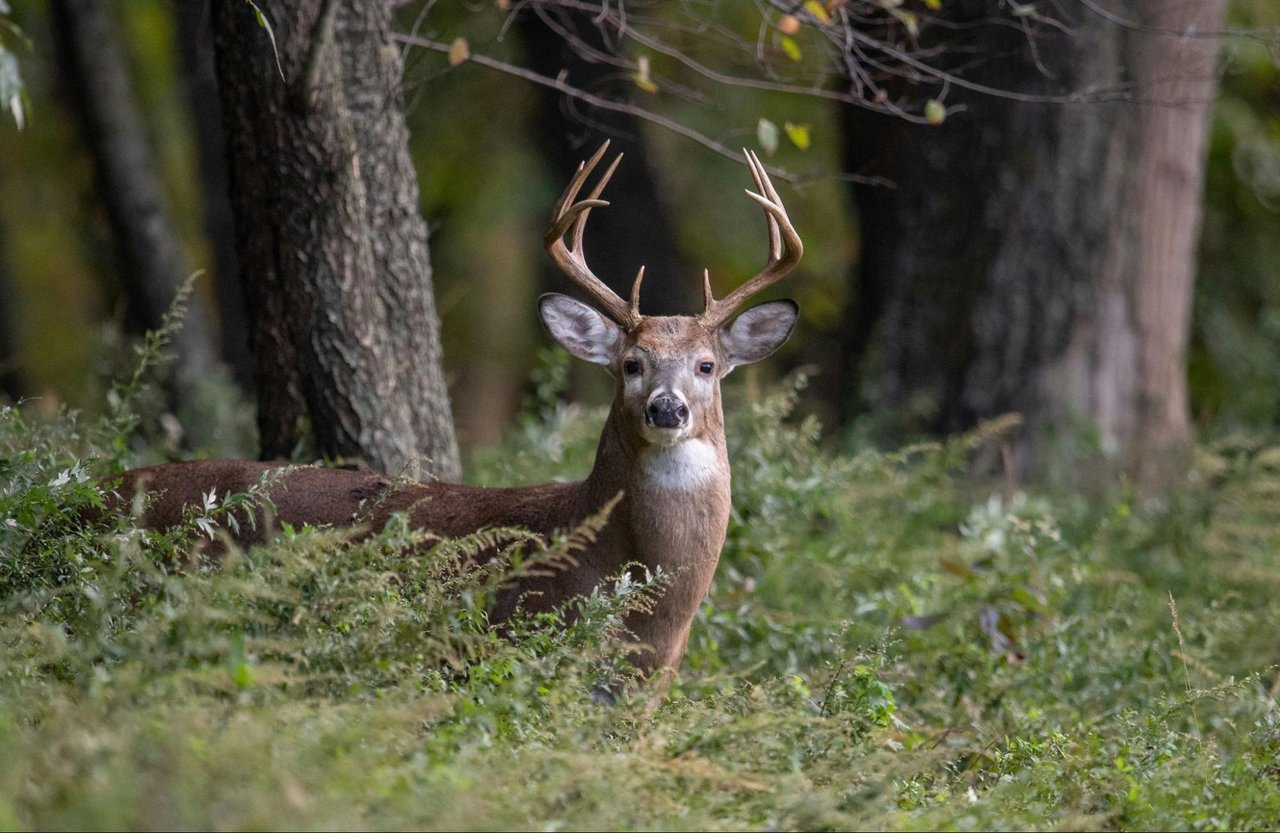
- Whitetail genetics: Hill Country bucks are known for heavy antler mass and wide-spreading main beams, a product of terrain, age-class management, and decades of selective harvest on neighboring ranches
- Exotic game pressure: Axis deer are well-established throughout Gillespie and Kerr counties and can be hunted year-round, adding a second primary species without requiring high fence on every parcel
- Terrain that concentrates movement: Oak flats and creek bottoms draw deer and hogs alike; properties with both features give you natural stand locations that don't require heavy manipulation to produce results
- Spring turkey and dove seasons: Rio Grande turkeys and dove hunting extend the hunting calendar well beyond the November rut, which matters significantly if the lodge will host guests across multiple seasons
Choosing the Right Area Within the Hill Country
Not every county performs equally for every hunting objective. Kerr, Llano, Gillespie, Mason, Real, Bandera, and Kimble counties all host active hunting operations, but they differ in land character, price per acre, and game species mix. Buyers building a private lodge should match the county to the primary use case before evaluating specific parcels.
How the Core Counties Compare
- Gillespie County: Closest to Fredericksburg's infrastructure, strongest resale market, best balance of whitetail density and exotic populations, ideal for a lodge that doubles as a personal retreat or short-term rental
- Kerr County: Larger tracts available at lower price points than Gillespie, strong axis and exotic populations, more rugged terrain west of Kerrville that suits low-fence free-range operations
- Mason County: Known for producing trophy whitetail in a less commercialized setting, with larger acreage parcels, less development pressure, and a quieter hunting culture; well-suited for buyers who want privacy above all else
- Llano County: Strong deer numbers, access to the Llano River for water features, and land prices that still allow buyers to acquire meaningful acreage without pushing into high-fence territory
What to Look for in a Lodge Site
The lodge site and the hunting land are two separate decisions that have to work together. A ridgeline building site with a long-range view is appealing, but if it bisects the primary deer corridor on the property, you've traded hunting quality for aesthetics. Our land specialist evaluates both before recommending a site.
Land Features That Matter Most for a Hunting Lodge Build
- Reliable water: Stock tanks, creek frontage, or a strong well support both wildlife and lodge operations; properties with live water consistently outperform dry-land parcels for game density and long-term value
- Internal road access: A lodge needs a maintainable road system that reaches stand locations without crossing through high-traffic areas that would disturb game patterns during season
- Habitat diversity on a single parcel: The best lodge properties combine open senderos or meadows for glassing, oak motte cover for bedding, and creek-bottom browse, all within reasonable ATV or walking distance of the lodge site
- Separation between lodge and working hunting areas: Noise, light, and vehicle traffic from the lodge itself should be buffered from primary stand locations by at least a quarter mile to avoid conditioning game to human activity near the building
FAQs
Do we need a high fence to run a productive whitetail operation near Fredericksburg?
Not necessarily. Low-fence operations in Gillespie and Mason counties produce strong whitetail hunting when habitat is managed well, and neighboring landowners share similar management philosophies. High fences give you more control over genetics and harvest but come with significantly higher installation and maintenance costs; our land specialist can help you evaluate which approach fits your goals and budget on a specific parcel.
How many acres do we need for a private hunting lodge with multiple stands?
Most serious hunting lodge operations in the Hill Country run on a minimum of 200 to 500 acres to support multiple stand locations with adequate buffer between them. Smaller parcels can work for personal use, but if hosting guests or running a commercial operation is part of the plan, more acreage reduces hunting pressure and improves the experience meaningfully.
Can a hunting lodge property generate income when we're not using it?
Yes, and many do. Hunting leases, guided hunt packages, and short-term rentals are all viable income strategies on Hill Country lodge properties. The right land and lodge design from the start (particularly road access, lodge layout, and stand placement) makes the property much easier to operate as an income-producing asset when you're not on site.
Reach Out to Reata Ranch Realty Today
Finding the right land for a hunting lodge takes more than a map and an acreage count. It takes someone who knows how the terrain, water, and game populations interact across specific parcels in Gillespie and the surrounding counties. Reata Ranch Realty has the land expertise to help you evaluate hunting properties the right way, before you're committed to a site.
Connect with us at Reata Ranch Realty and talk to our land specialist before you make a move on your next Hill Country property.