By Reata Ranch Realty
Water is the most valuable thing on a Texas ranch — and the most misunderstood. Buyers purchasing land near Fredericksburg are often surprised to learn that water rights in Texas don't automatically transfer with title the way a fence or a barn does. What you own, what you can use, and what you need a permit for depends on whether the water is underground, flowing on the surface, or collecting on your land after a rain. Getting clear on this before you close can protect your investment and prevent costly surprises.
Key Takeaways
-
Texas recognizes two distinct legal frameworks for water: groundwater (which landowners generally own) and surface water (which belongs to the state, with limited exceptions)
-
Well water rights in Gillespie County are governed by the Hill Country Underground Water Conservation District; permits and production limits apply
-
Surface water rights follow a prior appropriation doctrine, "first in time, first in right," and senior permits take precedence during drought
-
Water rights should be a part of every due diligence checklist when buying ranch land near Fredericksburg
Groundwater vs. Surface Water: The Distinction That Matters Most
Texas operates under two separate legal systems for water, and they work very differently. Understanding which system governs the water on a property you're considering is the first step in any rural land purchase in Gillespie County.
Groundwater (the water beneath your feet, accessed through a well) is generally considered the property of the landowner in Texas, governed by the rule of capture. Surface water (rivers, streams, and lakes) is owned by the state.
Groundwater (the water beneath your feet, accessed through a well) is generally considered the property of the landowner in Texas, governed by the rule of capture. Surface water (rivers, streams, and lakes) is owned by the state.
How the two systems apply to Hill Country ranch buyers:
-
Groundwater (wells): In Gillespie County, well drilling and production are regulated by the Hill Country Underground Water Conservation District (HCUWCD). New wells require a permit, and the district sets production limits to protect the aquifer. When evaluating a property, confirm the well's permitted status, its depth into the Trinity or Edwards aquifer, and whether production is restricted by the district
-
Surface water (streams and creeks): If a property borders a stream or creek (which many desirable Hill Country tracts do), surface water use beyond basic livestock and domestic purposes requires a TCEQ permit. Domestic and livestock use from riparian land is exempt, but irrigation, stock ponds fed from streams, or commercial water use is not
-
Diffused surface water: Rainwater that collects on your land before entering a natural watercourse belongs to you, and is the basis for many legitimate rainwater harvesting systems on Hill Country estates
-
Ponds and stock tanks: If a stock tank is fed primarily by rainwater runoff, its water is typically yours to use. If it's fed by a natural watercourse, surface water law applies
What to Confirm Before You Buy
Water due diligence on a Fredericksburg-area ranch isn't a single conversation; it's a series of them. We walk our buyers through the water picture on every land transaction, and there are a handful of things that should be confirmed in writing before any offer gets binding.
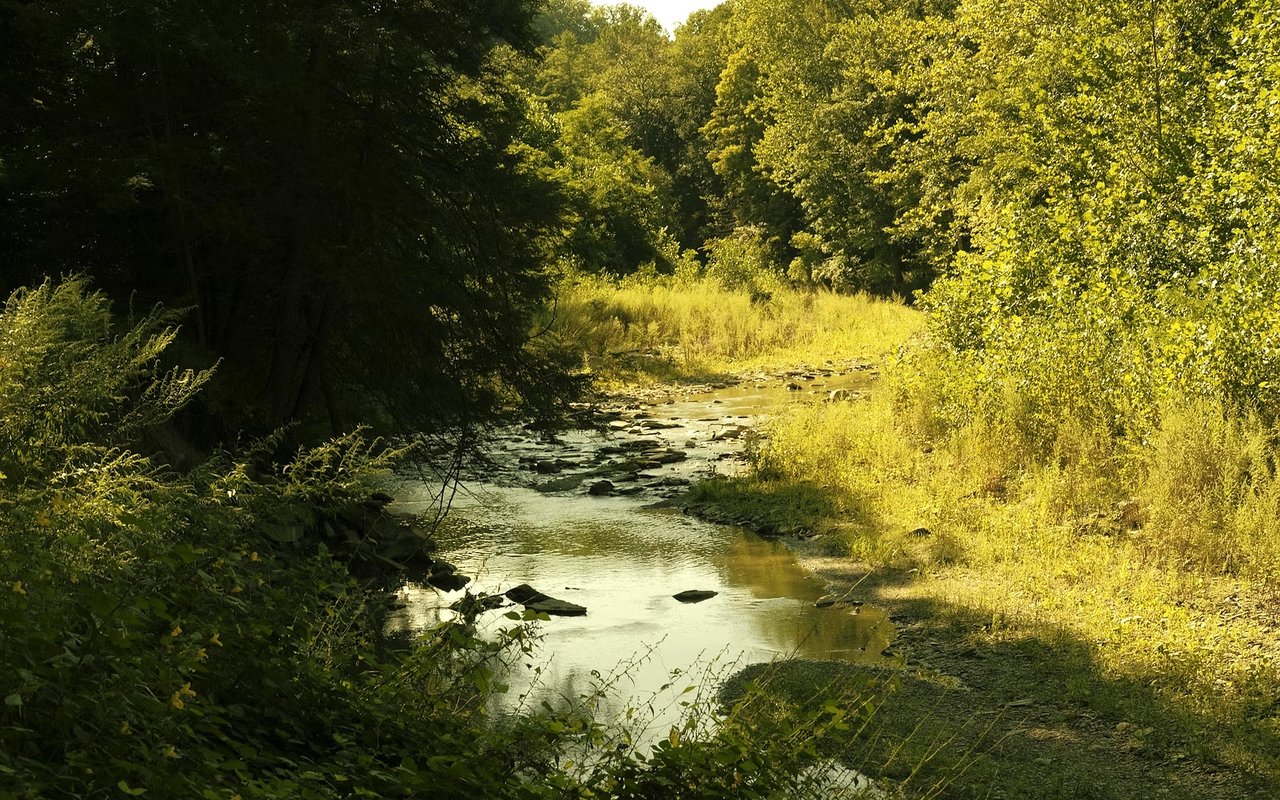
A creek running through a property may look beautiful, but whether you can actually use that water (and under what conditions) requires a title search for water rights and a conversation with the HCUWCD.
A creek running through a property may look beautiful, but whether you can actually use that water (and under what conditions) requires a title search for water rights and a conversation with the HCUWCD.
Key water due diligence items for Gillespie County ranch buyers:
-
Verify the well permit and production limit with the HCUWCD — confirm the permitted gallons per day and whether the existing use is within that limit
-
Review the title for severed water rights — in rare cases, prior owners may have sold groundwater rights separately from surface rights; a title search should surface this
-
Check for TCEQ surface water permits — if the seller claims the right to use creek or river water for irrigation or other purposes, there should be a permit on file
-
Confirm whether any water rights have been leased or sold for commercial purposes — this is becoming a more common negotiating factor in rural Texas transactions
-
Ask about the well's production history — a well that performed well in 2018 may behave differently after a drought cycle; request testing data and flow logs if available
Understanding the Prior Appropriation Doctrine for Surface Water
Texas's 1967 Water Rights Adjudication Act merged the old riparian doctrine with the prior appropriation system into a statewide permitting framework. What this means practically for Hill Country buyers is that the order in which water rights were obtained determines who gets water during a dry year.
If a Fredericksburg-area property you're evaluating has TCEQ-permitted surface water rights, the seniority of those rights relative to other permit holders in the same river basin matters, especially during drought.
If a Fredericksburg-area property you're evaluating has TCEQ-permitted surface water rights, the seniority of those rights relative to other permit holders in the same river basin matters, especially during drought.
What to know about surface water permit seniority:
-
Senior rights take precedence — a junior permit holder may be curtailed during drought, while a senior holder continues use
-
The Pedernales River basin, which drains much of Gillespie County, has its own seniority profile; understanding where a permit falls within the basin's hierarchy is a meaningful diligence item on large ranches
-
Domestic and livestock use from riparian land does not require a permit under Texas Water Code §11.142, but that exemption is narrow; it doesn't cover irrigation or commercial use
-
If you intend to develop the water resource on a property beyond personal use, legal counsel familiar with Texas water law is worth the investment before you close
Frequently Asked Questions
If a property has a creek on it, do we automatically have the right to use that water?
Not automatically. Domestic and livestock use is generally exempt from permitting, but any use beyond that (irrigation, filling a stock tank from the stream, or commercial use) requires a TCEQ water right permit. We always clarify the permitted status of surface water features as part of our land evaluation process.
Can water rights be severed from the property and sold separately in Texas?
Yes. Commercial groundwater rights can be severed and sold or leased independently of the surface estate. This is still relatively uncommon in Gillespie County, but it's a due diligence item worth checking, particularly on larger tracts where groundwater production has potential commercial value.
What underground water conservation district governs wells in Gillespie County?
Well permitting and groundwater production in Gillespie County fall under the Hill Country Underground Water Conservation District (HCUWCD), which manages the Trinity and Edwards aquifer systems underlying much of the Hill Country. Production limits, spacing rules, and new well permits all go through the HCUWCD.
Contact Reata Ranch Realty Today
Water is the kind of detail that can make or break a ranch purchase, and it deserves more than a footnote in the inspection report. Our team understands the water picture in Gillespie County and the surrounding Hill Country, and we make sure every buyer we work with goes into a transaction with a clear understanding of what they're buying.
When you're ready to explore land and ranch properties near Fredericksburg, reach out to our dedicated land specialist at Reata Ranch Realty. We'll help you ask the right questions before you make your move.
When you're ready to explore land and ranch properties near Fredericksburg, reach out to our dedicated land specialist at Reata Ranch Realty. We'll help you ask the right questions before you make your move.