By Reata Ranch Realty
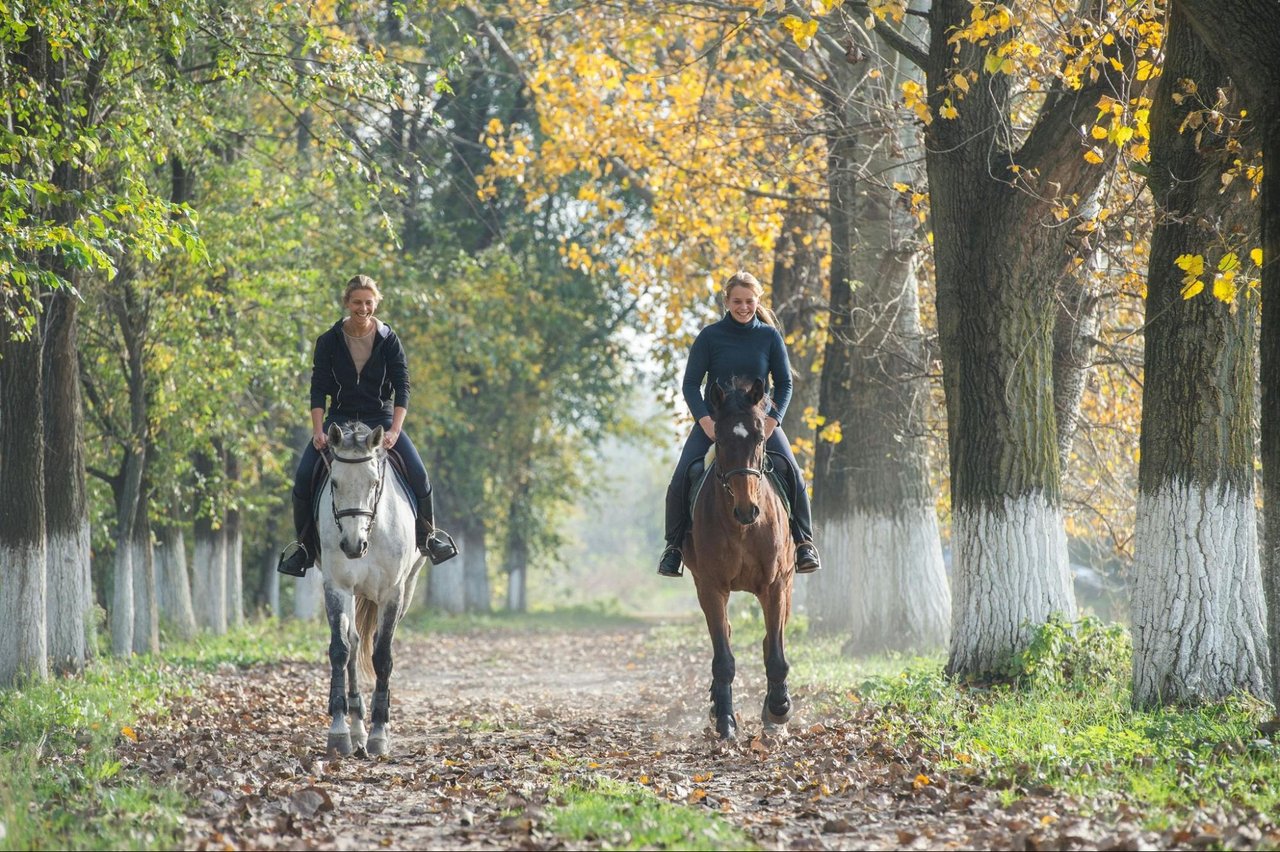
There's a particular kind of buyer who evaluates a ranch from the saddle, and for good reason. The Hill Country around Fredericksburg, with its rolling granite hills, oak motts, and creek crossings, is some of the finest trail riding country in Texas. But not every beautiful property makes a good riding property, and the differences are easy to miss until you're actually on the trail.
Key Takeaways
- Great trail riding land balances varied terrain with footing that's sound and rideable in different conditions
- Acreage matters less than how the land is laid out, including loops, water crossings, and connectivity
- Water, shade, and thoughtful fencing shape both the riding experience and the care of your horses
- The Fredericksburg area's terrain and access to nearby public lands make it a standout region for equestrian buyers
Terrain and Footing Come First
The single biggest factor in a riding property is the ground itself. The Hill Country's mix of rolling hills and valleys creates wonderful riding, but the same landscape can hide footing that's hard on horses.
When we evaluate land for equestrian buyers, our land specialist pays close attention to soil, slope, and how the terrain rides across the seasons, not just how it photographs.
What to Look for in the Land Itself
- Varied but rideable terrain: gentle hills and valleys make for interesting riding, while cliffs and steep, loose grades limit where you can ride
- Good natural footing: stretches of soil and grass are easier on horses than continuous rock and caliche, which can bruise hooves
- Manageable brush and cedar: heavy Ashe juniper thickets close off riding, so a property with open motts and natural lanes offers more usable trail
- Reasonable drainage: land that dries out after Hill Country rains keeps trails rideable rather than washed out or boggy
Layout, Water, and Connectivity
A great riding property isn't just good ground; it's good ground arranged well. The best ones let you ride varied loops without repeating yourself or crossing the same gate a dozen times.
Water and how the land connects (to itself and sometimes to neighboring land or public trails) shape the experience as much as the terrain does.
Features That Elevate a Riding Property
- Natural loops and length: a layout that supports long, varied rides without constant backtracking makes the property far more enjoyable
- Reliable water: creeks, ponds, or a good well matter for both the ride and keeping horses watered across the property
- Shade and rest points: oak groves and creek bottoms give both horse and rider relief during warm Hill Country afternoons
- Access to more riding: proximity to public lands or ride-friendly neighbors can extend your trails well beyond your own fence line
Infrastructure That Supports Horses and Riders
Beyond the land, a true equestrian property needs the infrastructure to care for horses well. This is often what separates a property you can ride from one you can truly base your horses on.
These features can be added, but existing quality infrastructure saves years and real money, which is worth weighing when you compare properties.
Equestrian Infrastructure Worth Prioritizing
- Quality fencing and cross-fencing: horse-appropriate fencing that lets you rotate pasture protects both your animals and your land
- Barn and stall facilities: a well-built barn, tack room, and stalls make daily care easier and add lasting value to the property
- Turnout and pasture: healthy grazing reduces feed costs and gives horses room to move when they're not on the trail
- Trailer and equipment access: all-weather roads and room to maneuver a trailer make coming and going far simpler
FAQs
How much land do I need for trail riding at home?
It varies with your goals, but many riders find that even 20 to 50 acres, laid out well, offers enjoyable riding, while larger tracts open up longer loops. What matters most is how the land rides, not just the total acreage. Our land specialist can help you judge whether a property will ride the way you're hoping.
Is the Fredericksburg area good for equestrian buyers?
It's one of the better regions in Texas for it. The Hill Country's terrain, climate, and access to nearby public lands make it a strong choice for riders, and there's a real community of equestrian landowners here. We know the area's riding-friendly properties well.
What should I check about footing before buying?
Ride or walk the property if you can, in more than one spot, and look at how much is workable soil versus solid rock or caliche. Also, see how it holds up after rain. We always encourage buyers to evaluate footing firsthand, since it's hard to judge from listing photos.
Reach Out to Reata Ranch Realty Today
Finding land that rides as beautifully as it looks takes someone who knows both horses and Hill Country terrain, and that's the kind of detail we love helping buyers get right. From footing to fencing, we look at a property the way a rider would.
When you're ready to find a ranch you can explore from the saddle, reach out to Reata Ranch Realty. We will help you evaluate the terrain, layout, and infrastructure so the property you choose is one you'll enjoy for years.