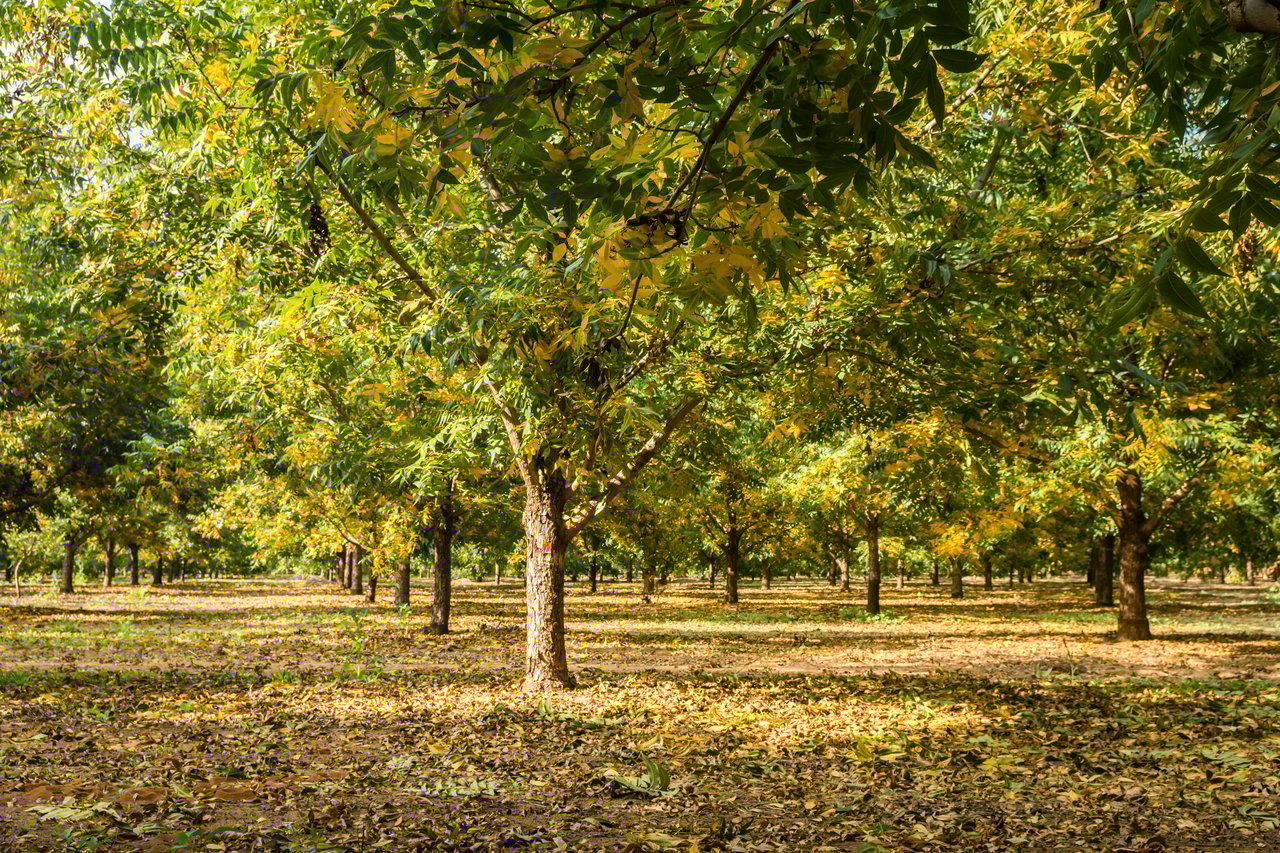
San Saba County is one of Texas's most authentic and unspoiled rural destinations — a peaceful Hill Country community in central Texas known as the "Pecan Capital of the World," where the San Saba River winds through limestone hills, pecan orchards line the bottomlands, and a genuine small-town character defines everyday life. For buyers seeking Texas land, rural acreage, recreational hunting properties, or a quiet place to put down roots far from the sprawl of larger cities, San Saba County offers exceptional value and extraordinary natural beauty.
San Saba County was established in 1856 and named for the San Saba River, itself named by Spanish missionaries in the 1700s. The region was a significant frontier battleground during the era of Comanche territory disputes, and Fort McKavett — established nearby in 1852 — helped open central Texas to settlement. The county seat of San Saba was platted in 1856 and grew around the river's fertile bottomlands, where pecan production became the region's defining agricultural identity. The native pecan trees thriving along the San Saba River made the county internationally recognized for producing some of the world's finest pecans — a heritage that remains central to the community's identity today.
San Saba County is located in central Texas approximately 130 miles northwest of Austin, 100 miles southwest of Waco, and 165 miles west of Dallas. The county seat of San Saba sits along the San Saba River at the intersection of US Highway 190 and State Highway 16. The landscape is classic Texas Hill Country — limestone escarpments, cedar and live oak woodlands, river bottoms lined with native pecan groves, and rolling ranchland that stretches across the county's approximately 1,136 square miles. The region experiences four distinct seasons with hot summers, mild winters, and the spring wildflower season that defines central Texas at its most beautiful.
Life in San Saba County moves at a deliberate pace shaped by the land, the river, and the seasons. The San Saba River provides excellent fishing — particularly for Guadalupe bass, catfish, and perch — and swimming holes that draw families throughout the summer. Hunting is central to the county's culture and economy, with white-tailed deer, turkey, and exotic game available on private ranches throughout the county. The Colorado River is accessible just to the south, adding additional water recreation within a short drive.
The community of San Saba offers the everyday infrastructure that rural county life requires — grocery stores, hardware stores, medical services through San Saba County Medical Center, locally owned restaurants, and a historic courthouse square that anchors the town's civic identity. The annual San Saba Pecan Jam festival celebrates the county's agricultural heritage, and the San Saba Pecan Trail gives visitors and residents alike a unique agritourism experience through the orchards that define the landscape.
Destination | Distance | Approximate Drive Time |
|---|---|---|
Llano, TX | ~34 miles | ~45 minutes |
Lampasas, TX | ~37 miles | ~45 minutes |
Brady, TX | ~49 miles | ~55 minutes |
Fredericksburg, TX | ~71 miles | ~1 hour 45 minutes |
Killeen Regional Airport / Fort Cavazos | ~62 miles | ~1 hour 15 minutes |
Austin, TX | ~106 miles | ~2 hours |
San Antonio, TX | ~141 miles | ~2 hours 45 minutes |
Distances and drive times are approximate, calculated from San Saba, and will vary depending on the exact location of a property within the county. Given the rural nature of San Saba County, most errands, appointments, and commutes involve some drive time — a lifestyle trade-off that comes with the space, privacy, and land access the county is known for.
San Saba County's real estate market is defined by land — working ranches, hunting properties, pecan orchards, river-frontage tracts, and rural residential acreage that offer buyers exceptional value relative to comparable Texas Hill Country markets closer to Austin and San Antonio. The median home price in San Saba County is approximately $175,000 to $250,000 for in-town residential properties, while rural acreage and ranch properties vary significantly based on size, water resources, improvements, and hunting quality — ranging from $2,000 to $5,000 or more per acre depending on the specific property's attributes.
The market attracts Texas buyers seeking recreational hunting properties, retirees pursuing rural tranquility, and buyers relocating from larger cities who want land ownership at price points that the Austin and San Antonio markets no longer offer. River-frontage properties on the San Saba River are consistently the most sought-after and command the strongest premiums.
Traditional single-family homes in the city of San Saba and smaller communities throughout the county, ranging from modest starter homes to established residences on larger in-town lots. These properties offer everyday service proximity and community access at the county's most accessible price points.
Small to mid-size acreage properties — typically 10 to 100 acres — with existing residences, rural water, and agricultural or recreational character. These properties attract buyers who want a rural lifestyle with a manageable property footprint.
Larger ranch tracts with cattle infrastructure, native pasture, stock ponds, and agricultural improvements. San Saba County's limestone soils and reliable water resources support both cattle ranching and pecan production, making agricultural properties a meaningful segment of the county's land market.
San Saba County's exceptional white-tailed deer population and Hill Country terrain make hunting properties among the most actively sought-after in the county. Properties with quality brush management, senderos, feeders, blinds, and hunting infrastructure command meaningful premiums from recreational buyers.
San Saba River-frontage tracts are the county's most coveted residential and recreational real estate — offering fishing, swimming, and the irreplaceable character of live water in the Texas Hill Country. These properties trade at the county's highest per-acre premiums and represent some of central Texas's most enduring long-term real estate values.
In-town residential homes range from approximately $175,000 to $250,000. Rural acreage and ranch properties vary from $2,000 to $5,000 or more per acre depending on size, water resources, improvements, and hunting quality. River-frontage properties command the strongest premiums in the county.
In-town single-family homes, rural residential acreage, working ranches, hunting and recreational properties, and river-frontage tracts along the San Saba River.
Yes. The county is renowned for quality white-tailed deer hunting, with turkey, dove, and exotic game available on private ranches throughout the area. Many properties are actively managed for trophy deer production.
Approximately 130 miles northwest of Austin, 100 miles southwest of Waco, and 165 miles west of Dallas. Most destinations require personal vehicle travel.
Quiet, rural, and outdoor-centered — river fishing, hunting, pecan orchards, and a genuine small-town community define daily life. San Saba County is best suited for buyers who specifically want the pace and character of rural central Texas.
Texas Hill Country land values have appreciated steadily, and San Saba County offers meaningful value relative to more heavily marketed markets closer to Austin. River-frontage and quality hunting properties have historically held strong long-term value driven by the scarcity of live water in central Texas.
4,527 people live in San Saba County, where the median age is 38.4 and the average individual income is $27,183. Data provided by the U.S. Census Bureau.
Total Population
Median Age
Population Density
Average individual Income
There's plenty to do around San Saba County, including shopping, dining, nightlife, parks, and more. Data provided by Walk Score and Yelp.
Explore popular things to do in the area, including Patty Cake Confections, Wise Meat Market, and The Ice House.
| Name | Category | Distance | Reviews |
Ratings by
Yelp
|
|---|---|---|---|---|
| Dining | 0 miles | 1 review | 5/5 stars | |
| Dining | 1.91 miles | 0 reviews | 0/5 stars | |
| Dining | 1.91 miles | 0 reviews | 0/5 stars | |
| Dining | 2.01 miles | 0 reviews | 0/5 stars | |
| Dining | 2.07 miles | 10 reviews | 3.9/5 stars | |
| Dining · $ | 2.13 miles | 8 reviews | 2.9/5 stars | |
| Dining · $$ | 2.17 miles | 5 reviews | 5/5 stars | |
| Dining | 2.19 miles | 1 review | 5/5 stars | |
| Dining | 2.2 miles | 1 review | 4/5 stars | |
| Dining · $ | 2.21 miles | 0 reviews | 0/5 stars | |
| Dining | 2.21 miles | 47 reviews | 4.5/5 stars | |
| Dining · $$ | 2.26 miles | 3 reviews | 4.3/5 stars | |
| Dining | 2.26 miles | 0 reviews | 0/5 stars | |
| Dining | 2.26 miles | 5 reviews | 5/5 stars | |
| Dining · $ | 2.3 miles | 10 reviews | 2.2/5 stars | |
| Dining | 2.34 miles | 9 reviews | 4.7/5 stars | |
| Dining | 2.49 miles | 0 reviews | 0/5 stars | |
| Dining | 2.6 miles | 0 reviews | 0/5 stars | |
| Active | 2.55 miles | 0 reviews | 0/5 stars | |
| Beauty | 2.37 miles | 0 reviews | 0/5 stars | |
| Beauty | 2.46 miles | 0 reviews | 0/5 stars | |
| Beauty | 2.46 miles | 0 reviews | 0/5 stars | |
| Beauty | 2.47 miles | 0 reviews | 0/5 stars | |
|
|
||||
|
|
||||
|
|
||||
|
|
||||
|
|
||||
|
|
San Saba County has 1,624 households, with an average household size of 2.44. Data provided by the U.S. Census Bureau. Here’s what the people living in San Saba County do for work — and how long it takes them to get there. Data provided by the U.S. Census Bureau. 4,527 people call San Saba County home. The population density is 7 and the largest age group is Data provided by the U.S. Census Bureau.
Total Population
Population Density Population Density This is the number of people per square mile in a neighborhood.
Median Age
Men vs Women
Population by Age Group
0-9 Years
10-17 Years
18-24 Years
25-64 Years
65-74 Years
75+ Years
Education Level
Total Households
Average Household Size
Average individual Income
Households with Children
With Children:
Without Children:
Blue vs White Collar Workers
Blue Collar:
White Collar:

408 N Llano Street Fredericksburg, TX 78624
408 N Llano Street Fredericksburg, TX 78624