By Reata Ranch Realty Group
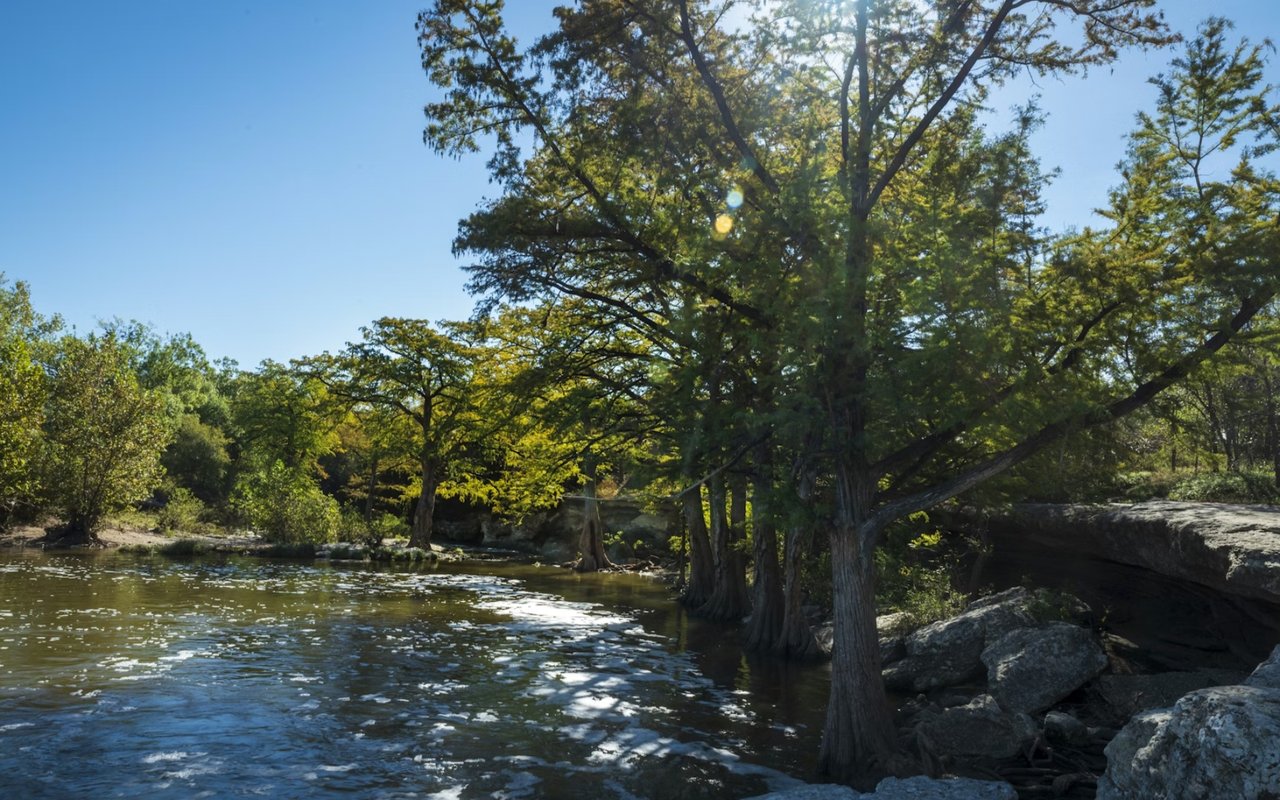
The Texas Hill Country has long been defined by working ranches, limestone hills, live oak canopies, and spring-fed creeks that stretch across counties such as Gillespie, Blanco, Llano, Kerr, and Bandera. Recreational ranches Texas Hill Country buyers seek today often prioritize access, scenery, and versatility over traditional cattle operations.
This evolution reflects both changing land-use goals and the Hill Country’s growing appeal as a destination for weekend retreats, family compounds, and long-term land investments.
Key Takeaways
- Lifestyle-driven ranch ownership continues to grow
- Water, access, and topography matter most
- Buyers prioritize flexibility over production
- Local expertise shapes smarter purchases
What Defines a Recreational Ranch Today
Recreational ranches differ from traditional working ranches in both purpose and layout. While many still retain agricultural exemptions or light grazing, their primary use centers on enjoyment, privacy, and outdoor activities rather than commercial output.
Common features of recreational ranches
- Scenic topography with elevation changes
- Creeks or water features where available
- Improved access roads and internal trails
Why the Texas Hill Country Is Driving Demand
The Hill Country’s geography and proximity to major metro areas play a significant role in its popularity. Buyers from Austin, San Antonio, Houston, Midland, and Dallas can reach many ranch properties within a few hours, making ownership practical rather than purely aspirational.
Location advantages buyers value
- Central Hill-Country Texas accessibility
- Distinct natural landscapes
- Strong private property culture
Lifestyle Uses Driving Buyer Interest
Unlike traditional ranch buyers, recreational ranch owners often come with a wide range of intended uses. This diversity has reshaped how properties are marketed and evaluated throughout the Hill Country.
Popular recreational uses
- Wildlife observation and management
- Hunting and seasonal retreats
- Trail riding and outdoor recreation
The Role of Water and Terrain
Water remains one of the most sought-after features in the Hill Country, even as availability varies widely by location. Springs, creeks, seasonal draws, and underground water potential all factor into land value.
Water-related considerations
- Live or seasonal creeks
- Pond and tank potential
- Groundwater depth, water well availability/production
Improvements Buyers Are Prioritizing
Today’s recreational ranch buyers often prefer land that is lightly improved rather than heavily built out. Infrastructure that supports access and basic comfort tends to matter more than large-scale improvements.
Improvements that add value
- All-weather access roads
- Water wells
- Perimeter fencing
- Modest cabins or barndominiums
Ownership Size and Scale Considerations
There is no single “right” size for a recreational ranch, but buyer goals often dictate acreage needs. Smaller tracts may focus on privacy and views, while larger ranches support broader recreational programs.
Factors influencing acreage choice
- Desired level of seclusion
- Wildlife or ag management goals
- Maintenance capacity
Long-Term Outlook for Hill Country Ranches
The Texas Hill Country has seen consistent interest from both in-state and out-of-state buyers for years. Recreational ranch ownership aligns well with long-term landholding strategies, particularly for those seeking tangible assets tied to lifestyle use.
Trends shaping the market
- Limited land supply
- Continued population growth
- Strong private ownership demand
FAQs
What separates recreational ranches from working ranches?
Recreational ranches prioritize lifestyle use and flexibility, while working ranches focus on agricultural production.
Are recreational ranches only for hunting?
No, many owners use them for wildlife viewing, family retreats, trail riding, and general outdoor enjoyment.
How necessary is local knowledge when buying land?
Local expertise helps buyers understand water, access, regulations, and long-term land behavior.
Contact Reata Ranch Realty Group Today
Buying recreational -Texas Hill Country ranch properties requires more than browsing listings. Each tract comes with unique characteristics tied to water, terrain, access, and long-term usability, and those details matter when making a sound decision.
Reach out to any of the land specialists at Reata Ranch Realty Group to discuss your goals and explore opportunities across the Texas Hill Country. We help buyers navigate land acquisitions with clarity, local insight, and a deep understanding of how recreational ranches function both today and over time.
Reach out to any of the land specialists at Reata Ranch Realty Group to discuss your goals and explore opportunities across the Texas Hill Country. We help buyers navigate land acquisitions with clarity, local insight, and a deep understanding of how recreational ranches function both today and over time.